
Emergency Management for Communities
Communities face a wide range of hazards, from natural disasters and severe weather to public health emergencies, infrastructure failures, and human-caused incidents. Effective emergency management requires more than a plan on paper. It requires coordinated people, practical processes, informed decisions, and the ability to adapt when conditions change.
Doberman Emergency Management works with local governments, emergency services, businesses, and community organizations to build stronger, more capable emergency management programs. We combine research, analytics, field experience, and proven emergency management practices to develop solutions specific to each community’s needs.
Strengthening Communities. Preparing for What’s Next.

Our work supports communities throughout the disaster lifecycle—from mitigation and preparedness to response and recovery. We help leaders identify vulnerabilities, prioritize resources, coordinate across agencies, and build the capabilities needed to protect life, property, and continuity of operations.
From Preparedness to Recovery
We develop and strengthen plans that give communities a clear framework for managing emergencies. Our work may include:
Multi-hazard Emergency Operations Plans
Hazard Vulnerability & Risk Assessments
Hazard Mitigation Planning
Continuity of Operations Planning
Evacuation and Shelter Planning
Emergency Operations Center Planning & Management
Community Lifelines & Critical Infrastructure Planning
After-Action Reviews & Improvement Planning
Planning & Risk Assessments
Training & Exercises
Plans are only effective when people know how to use them. Doberman designs and facilitates realistic training and exercises that test plans, strengthen decision-making, and identify opportunities for improvement.
We provide tabletop exercises, functional exercises, and full-scale simulations for emergency managers, first responders, community leaders, and other stakeholders. Training can address severe weather, hazardous materials, mass casualty incidents, active threats, public health emergencies, evacuation, crisis communications, and other natural and human-caused hazards.
Communication & Situational Awareness
During an emergency, timely and accurate information can make the difference between confusion and coordinated action. We help communities strengthen mass notification strategies, develop emergency communication policies and message templates, train personnel, and integrate multiple communication channels.
Doberman also develops data-informed situational awareness tools that bring together real-time information, historical incidents, threat awareness, and vulnerability data to help decision-makers understand changing conditions and determine where resources are needed most.
Response & Recovery
When an incident occurs, communities need more than a plan—they need the ability to execute it. Doberman provides on-site and remote expertise to support multi-agency coordination, resource management, damage assessments, disaster funding, and recovery operations.
Our goal is not simply to help communities respond to an incident, but to help them recover effectively and build greater resilience for the next challenge.
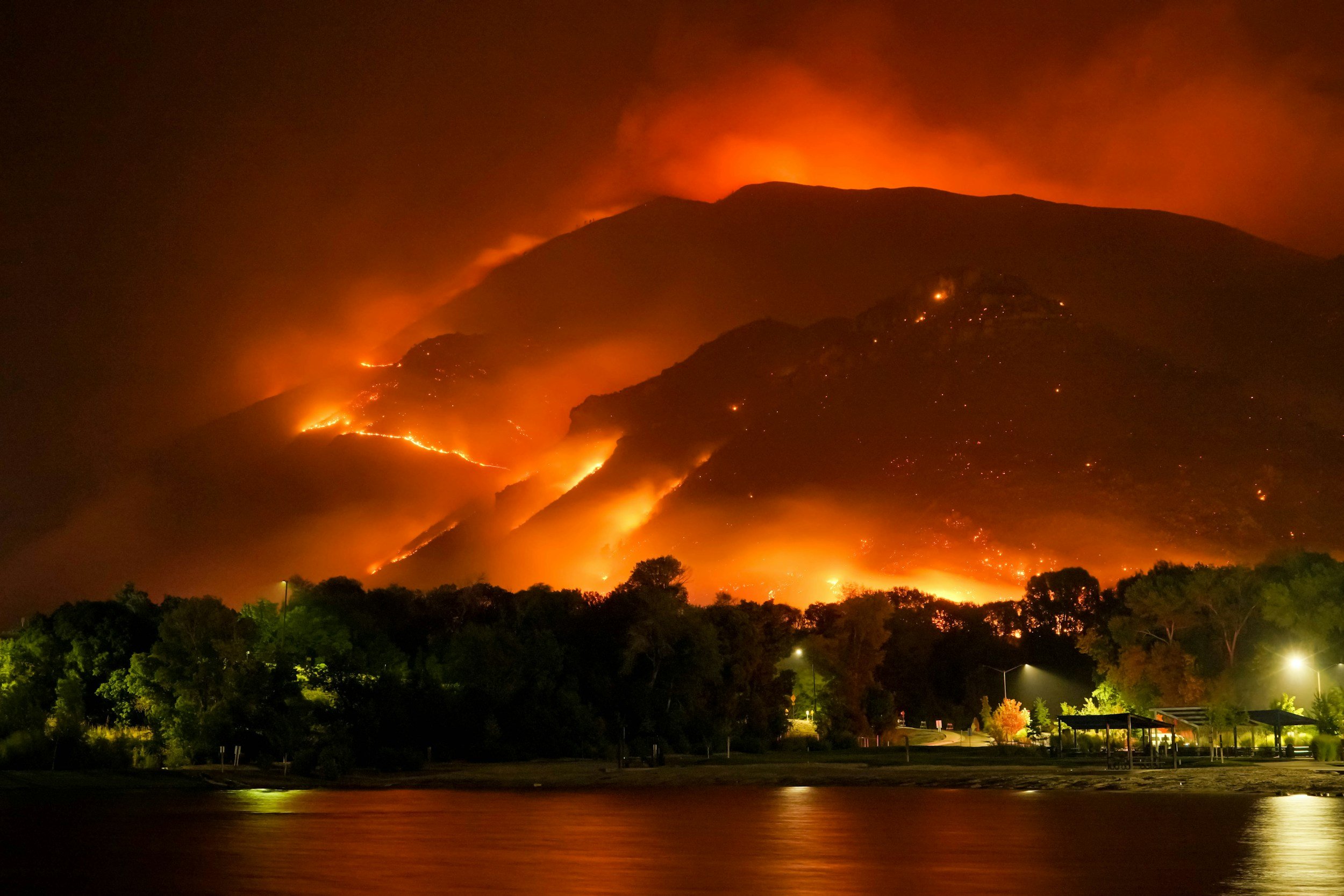
Built for Your Community
Every community has different hazards, resources, infrastructure, leadership structures, and operational challenges. Doberman develops site-specific plans, training, products, and recommendations around those realities rather than applying a one-size-fits-all approach.

We bring together subject matter experts based on the needs of each engagement, providing the specialized knowledge and experience required to address complex challenges.

From everyday preparedness to complex disaster response, Doberman helps communities build the capacity to make informed decisions, coordinate effectively, and protect the people and assets they serve.
Ready to Strengthen Your Community?
Let’s build an emergency management program designed around your community’s risks, resources, and priorities.